
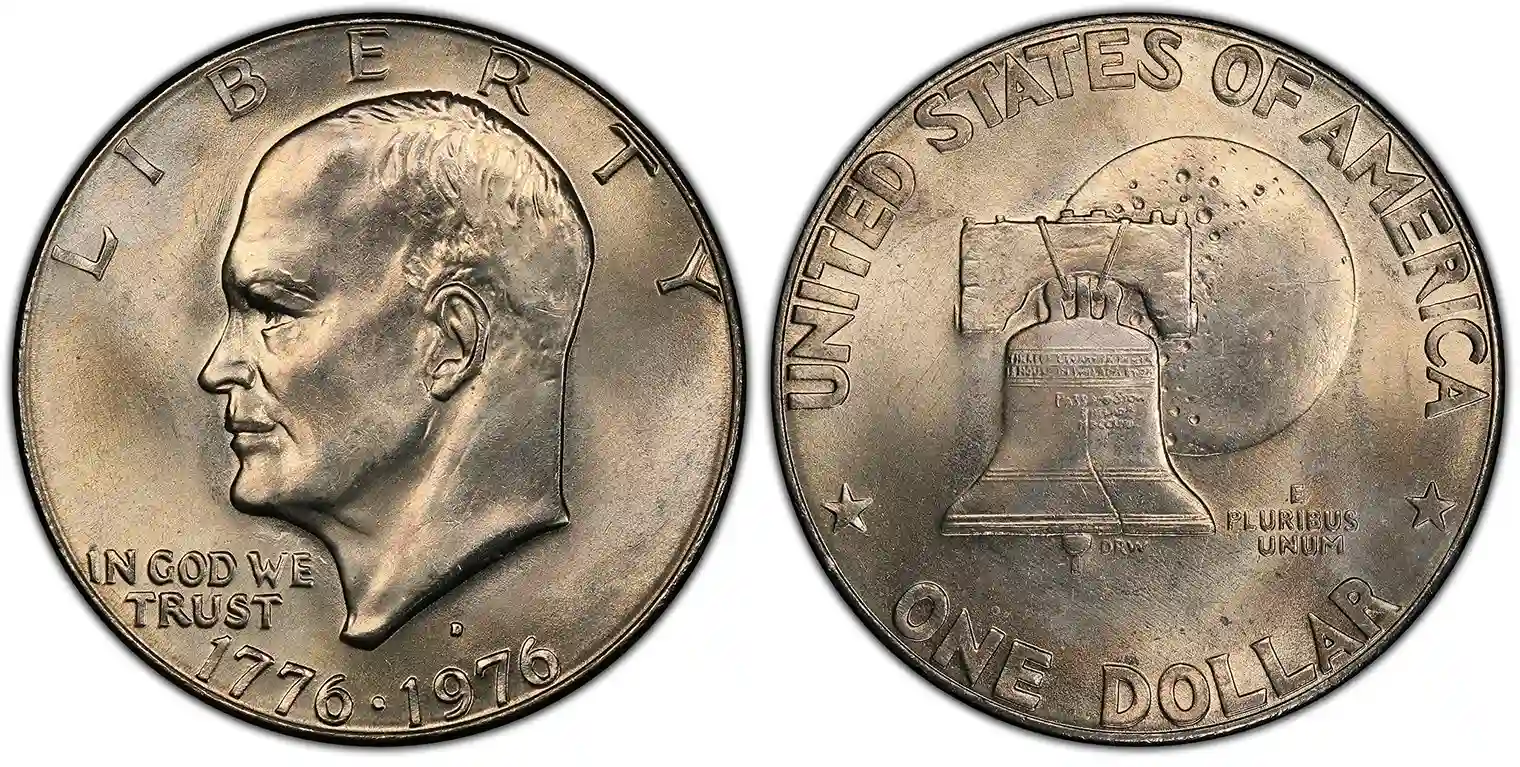
Market 1776 to 1976 dollar value fluctuates based on condition, mint location, and composition. Initial purchase price ranges from $10 for base quality pieces. High-end specimen prices reach $2 500 at auction. Investment success depends on understanding specific supply factors.
Coin Feature | Specification |
Currency Unit | 1 Dollar |
Diameter | 38.1 mm |
Copper-Nickel Mass | 22.68 g |
Silver Mass | 24.59 g |
Composition | Copper-Nickel or 40% Silver |
Price Matrices by Grade
Professional grading scale determines liquidity. Sheldon scale ratings allow precise valuation.
Copper-Nickel Coin Values
Grade | Price Range |
MS-60 | $4–$7 |
MS-61 | $6–$9 |
MS-62 | $8–$12 |
MS-63 | $12–$19 |
MS-64 | $20–$35 |
MS-65 | $35–$65 |
MS-66 | $120–$220 |
MS-67 | $800–$2 600 |
Silver Composition Coin Values
Grade | Price Range |
MS-60 | $9–$13 |
MS-61 | $11–$15 |
MS-62 | $14–$18 |
MS-63 | $18–$25 |
MS-64 | $25–$40 |
MS-65 | $40–$75 |
MS-66 | $110–$250 |
MS-67 | $350–$900 |
Mint Mark Output Analysis
Mint locations produce different supply levels. Output volume dictates rarity.
Philadelphia Mint (No Mint Mark)
High output numbers define this mint. Rarity levels remain low. Large quantities exist in grades below MS-63.
Denver Mint (D Mint Mark)
Mid-tier output volume characterizes this location. Collector demand stays stable for MS-64 grades.
San Francisco Mint (S Mint Mark)
Collector interest peaks here. Silver issue variants originate from this facility. Prices track metal market trends closely.
Error Coin Valuation Matrix
Minting errors drive premium pricing. Specialized knowledge yields better profit margins.
Double Die Errors
Visual doubling increases value.
Minor doubling: $150–$300
Strong doubling: $500–$1 200
Unique examples: $2 500+ record price
Off Center Strikes
Material shift percentages dictate worth.
5–10% shift: $40–$70
15–20% shift: $150–$300
25%+ shift: $500–$1 000
Clipped Planchet
Metal loss severity drives price.
Small clip: $50–$90
Large clip: $200–$400
Market Value Depreciation Factors
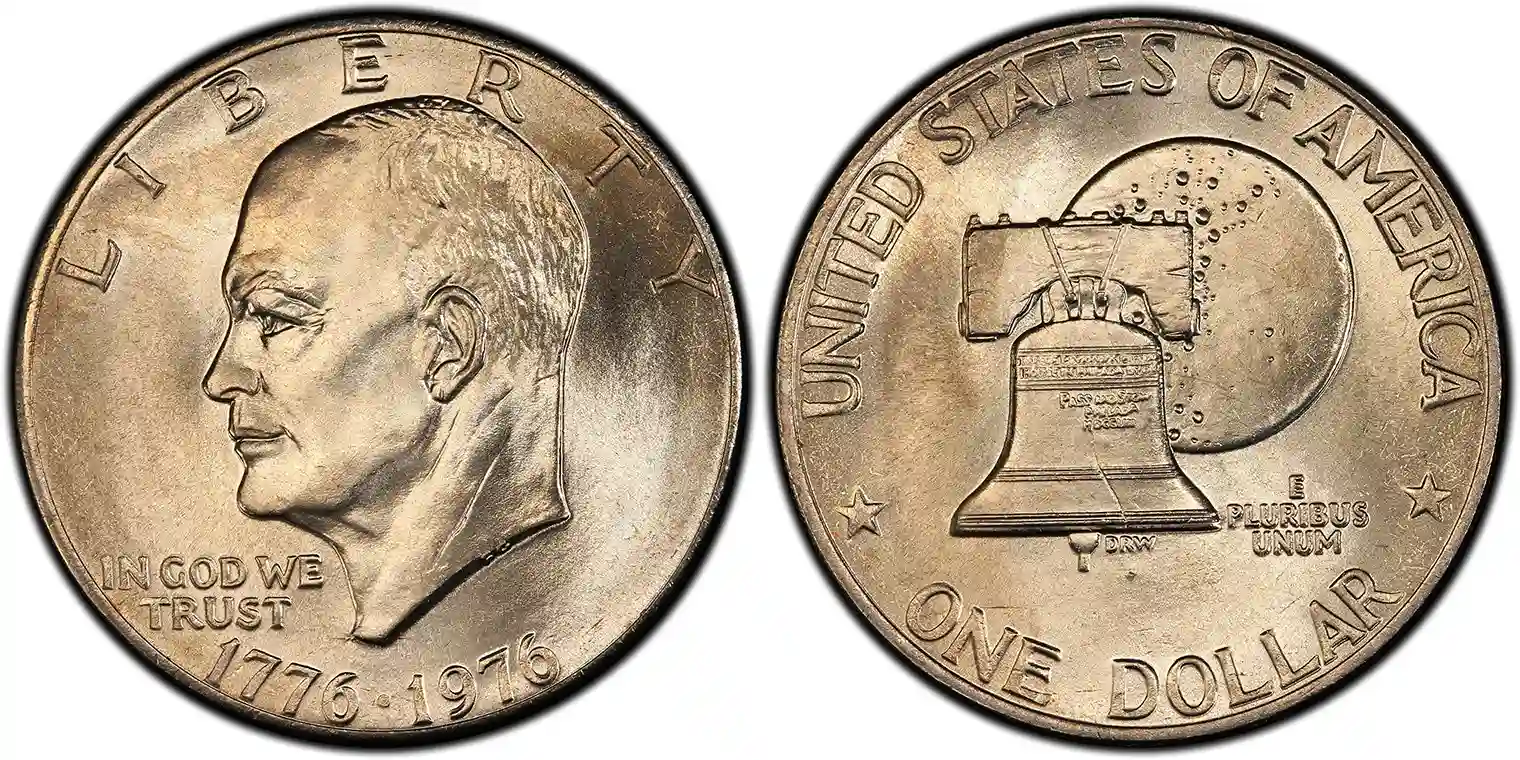
Poor storage destroys capital. Correct handling maintains asset worth.
Damage Type | Value Loss % |
Surface Scratches | 40–50% |
Chemical Cleaning | 70–90% |
Humidity Corrosion | 30–60% |
Edge Dents | 20–40% |
Asset Storage Protocols
Storage environment decides long-term value. Avoid PVC plastic containers.
Temperature: 20 degrees Celsius
Humidity: Below 40%
Handling: Cotton gloves usage
Material: Inert plastic holders
Professional Certification Impact
Certification slab usage adds liquidity. Buyers trust graded data.
Raw coin value: Base price
Certified coin value: Base price + 25% average premium
Investment Strategy Data
Portfolio management requires data-driven choices. Market cycles influence returns.
Strategy | Risk | Profit Potential |
MS-67 Silver | Medium | High |
MS-65 Copper-Nickel | Low | Low |
Double Die Error | High | Very High |
Metal Price History
Annual metal price shifts affect coin demand.
2024 price point: $10,50
2025 price point: $12,20
2026 price point: $14,80
Advanced Condition Grading Methods
Self-grading skill increases profit margins. Magnification tools provide clear views.
Surface Inspection Protocol
Obverse side cheek with coin-identifier.com inspection for marks
Reverse side eagle feather analysis
Edge impact mark search
Luster verification under light
Condition | Wear Percentage | Value Loss |
MS-67 | 0% | 0% |
MS-63 | 5% | 30% |
AU-55 | 15% | 60% |
EF-40 | 30% | 85% |
Portfolio Diversification Tactics
Diversified holdings reduce single asset risk. Investors split capital across types.
Silver-based assets maintain value during inflation.
Error coins provide speculative growth.
Copper-nickel coins offer entry-level market access.
Market Trends for 2026
Supply chain data shows low availability for high-grade coins. Demand stays high. Investment cycles show 15–20% growth per period.
Buying Signals
Rising demand for MS-65 grades.
Tightened supply for Silver-composition variants.
Price stability in Philadelphia-minted pieces.
Selling Signals
Market price peaks during economic inflation.
Low metal-price volatility periods.
Portfolio rebalancing requirements.
Professional Coin Handling Rules
Asset beauty correlates with market price. Cleaning attempts ruin original surfaces.
Keep coin surfaces original.
Maintain strict humidity control.
Use professional grading services for authentication.
Avoid public display of high-grade assets.
Financial Forecasting Data
Future market projections look stable. Coin scarcity increases over time.
Timeframe | Forecasted Growth |
1 Year | 5–8% |
3 Years | 15–22% |
5 Years | 30–40% |
Rarity Analysis
High-grade coins represent 1% of the total population. Scarcity drives price growth. Market data confirms MS-67 grade scarcity leads to record price levels.
Investor Checklist
Review market price lists.
Verify coin authenticity.
Check storage conditions.
Assess current metal rates.
Plan exit strategy.
Price Correction Risks
Buying at market peaks results in temporary loss. Market correction phases lower prices by 5–10%. Strategic waiting periods yield better buy-in points.
Record Price Tracking
Historic auction records provide benchmarks. Unique MS-67 pieces fetch premium prices due to rarity. Watch record price shifts to calibrate investment expectations.
Final Strategic Advice
Knowledge equals capital. Track mint output data. Focus on high-grade assets. Monitor metal markets daily. Maintain strict storage standards. Success comes from patience and data verification.